Pharmaceutical QC Defect Detection Machine
Computer vision system for detecting defects in pharmaceutical blister packs.
Full project details and source code cannot be provided because this is a private and confidential enterprise project. This project emphasizes industrial AI vision: dataset collection, defect-case design, model training, accuracy validation, inference optimization, industrial cameras, industrial PCs and edge deployment constraints.
Full project details and source code cannot be provided because this is a private and confidential enterprise project.
Project Highlights
Machine-vision inspection flow for pharmaceutical blister quality control.
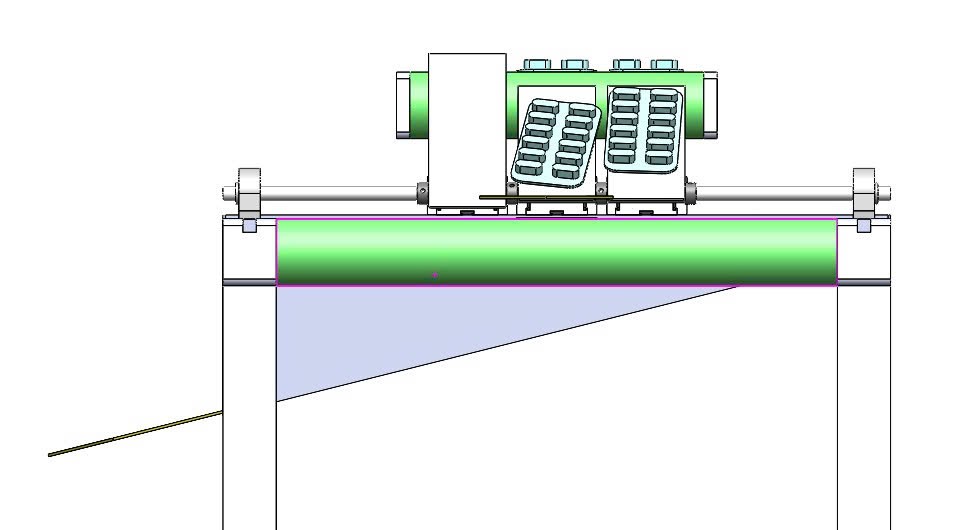
Captured production sample used for defect analysis and validation.
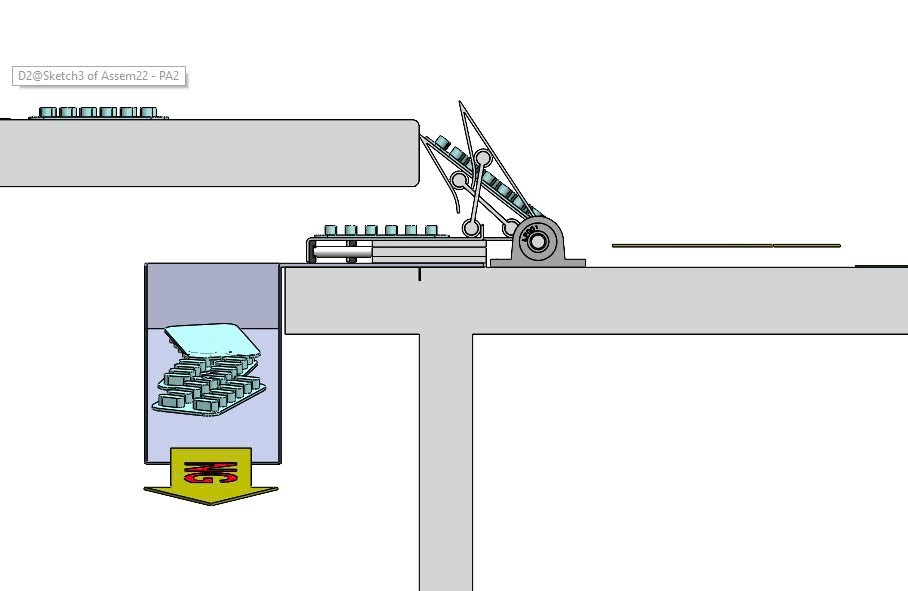
Camera/frame sample for visual inspection and model testing.
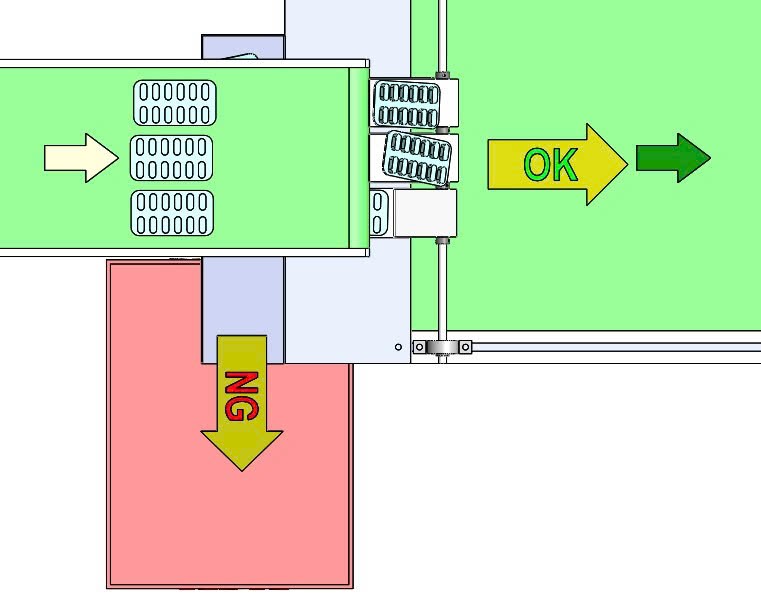
Industrial image sample used during data review and edge validation.
Video & Walkthrough
Timeline
Behind The Project
Overview
The project focused on designing and developing a computer vision inspection system for pharmaceutical quality control. It integrated industrial camera input, image preprocessing, object detection, model inference, result classification, and reporting into a production-oriented workflow.
Problem
Manual inspection in pharmaceutical production can be time-consuming, inconsistent, and dependent on human checking. The business needed a system that could support visual inspection, detect abnormal conditions, and reduce operational dependency on manual QC workflows.
Approach
The system was designed as an end-to-end computer vision workflow for production-oriented inspection. Key components included: Industrial camera input, image preprocessing, deep learning and object detection, model inference, defect and abnormal condition classification, result reporting, and workflow optimization.
Gallery
Related writing
Interested in this project?
Let's build practical edge and AI systems for your workflow.